Snappy Reading
Where science meets reading
Calm, practical, evidence-backed help for the grown-ups teaching little readers — without the jargon, the panic, or the worksheet avalanche.
-
 The science of reading
Phonics vs Sight Words: Do You Need Both?
The phonics-vs-sight-words debate for parents. What the research says, which 'sight words' are decodable anyway, and how to handle the few that aren't.
Oct 16, 2026 -
 Supporting struggling readers
How to Build Reading Comprehension in Children Aged 3–7
Evidence-based comprehension strategies parents can use daily with children aged 3–7, from dialogic reading to building background knowledge.
Oct 13, 2026 -
 Reading readiness & milestones
Concepts of Print: What Your Child Needs Before Learning to Read
Before phonics starts, children need concepts of print: book orientation, directionality, word matching. Learn the 10 key concepts and how to build them through daily reading.
Oct 9, 2026 -
 The science of reading
My Child Can Read the Words But Doesn't Understand: What's Going On?
Strong decoding with weak comprehension is more common than parents realise. Here's why it happens and five practical moves you can make tonight.
Oct 6, 2026 -
 Supporting struggling readers
My Child Hates Reading: How to Help a Reluctant Reader
When a child dreads reading time, there's almost always a fixable reason. What the research shows about why children resist — and practical strategies to start tonight.
Oct 2, 2026 -
 The science of reading
What Is the Alphabetic Principle? The Key to Learning to Read
The alphabetic principle is the understanding that letters stand for the sounds of spoken language — and it's the single insight that makes every phonics lesson click.
Sep 29, 2026 -
 Teach phonics at home
What Is Multi-Sensory Phonics? (And Why It Helps All Young Readers)
Multi-sensory phonics teaches letter sounds through touch, movement, sight, and hearing at once. Here's why it works and five home-friendly techniques to try tonight.
Sep 25, 2026 -
 The science of reading
Vocabulary and Early Reading: Why Word Knowledge Matters
A 2025 meta-analysis of 23,387 children confirmed preschool vocabulary predicts reading comprehension. Here's what builds word knowledge, and none of it requires flashcards.
Sep 22, 2026 -
 Teach phonics at home
How to Teach Syllables: Helping Your Child Read Longer Words
Once your child can read short words, the next wall is words like rabbit and sunshine. Here is how the six syllable types work and five ways to practise at home.
Sep 18, 2026 -
 Teach phonics at home
Word Families in Phonics: How One Pattern Unlocks 10 New Words
Word families group words by shared spelling patterns (-at, -in, -op). Once your child reads 'cat', the whole -at family is decodable. How they work and how to practise at home.
Sep 15, 2026 -
 The science of reading
The Simple View of Reading: What Every Parent Needs to Know
The Simple View of Reading is a research-backed formula: reading comprehension = decoding × language comprehension. Here's what it means for your child.
Sep 11, 2026 -
 Reading readiness & milestones
Rhyming and Reading: Why Nursery Rhymes Are Literacy Gold
Nursery rhymes build the phonological awareness that underpins reading. Here is why they work, when to start, and how to get more out of every chant and song.
Sep 8, 2026 -
 Teach phonics at home
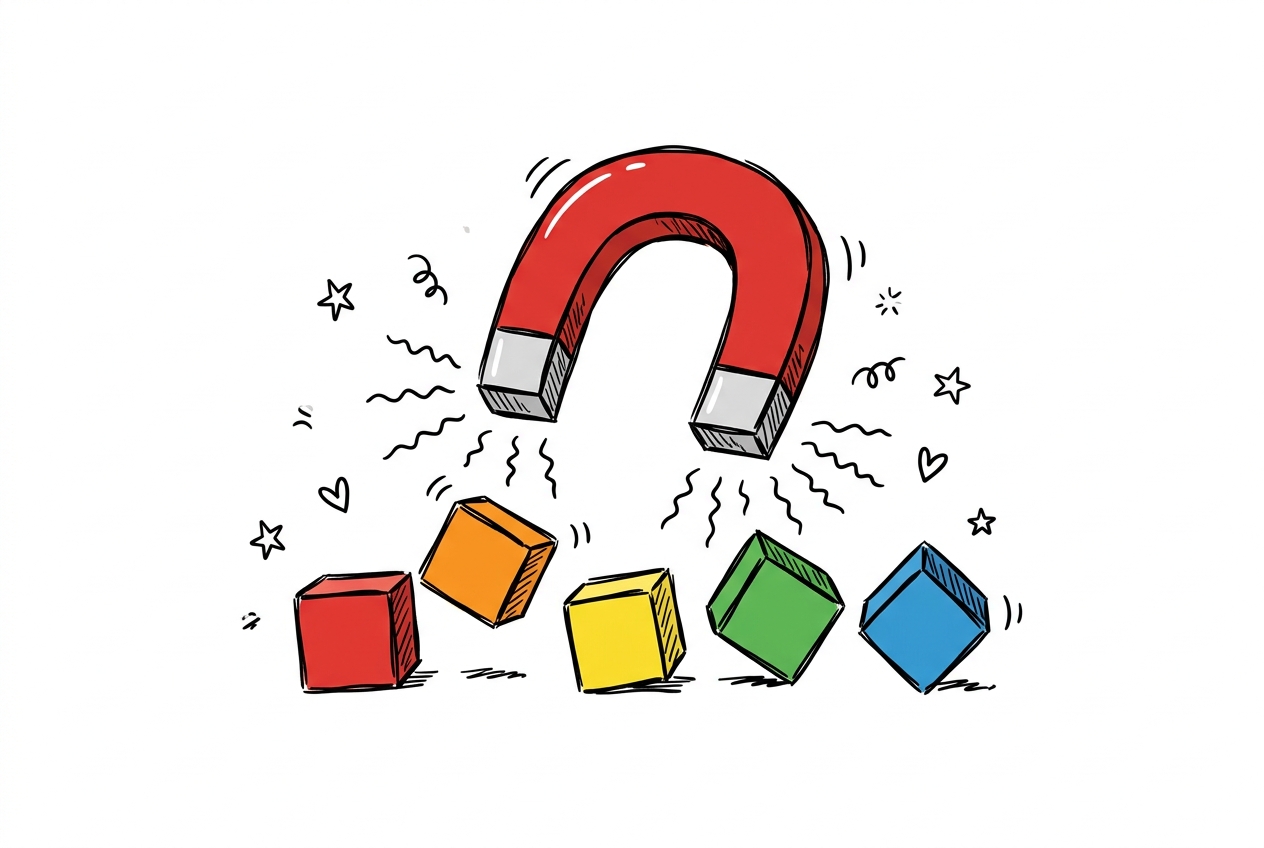
What Are R-Controlled Vowels? (The Bossy R, Explained)
R-controlled vowels (ar, or, er, ir, ur) break normal vowel rules — the letter R changes the vowel sound. Here's when children learn them and a simple three-step home routine.
Sep 4, 2026 -
 Teach phonics at home
Phonological Awareness Activities: 12 Playful Ideas for Ages 3–7
Twelve no-prep phonological awareness activities mapped to the skill ladder — from rhyming to phoneme segmenting — so you know exactly which building block you're practising.
Sep 1, 2026 -
 Teach phonics at home
What Are Consonant Blends? (bl, cr, st Explained for Parents)
Consonant blends are pairs of consonants where every sound is still heard — bl, cr, st. Here is when to teach them, the right sequence, and five quick games for tonight.
Aug 28, 2026 -
 Teach phonics at home
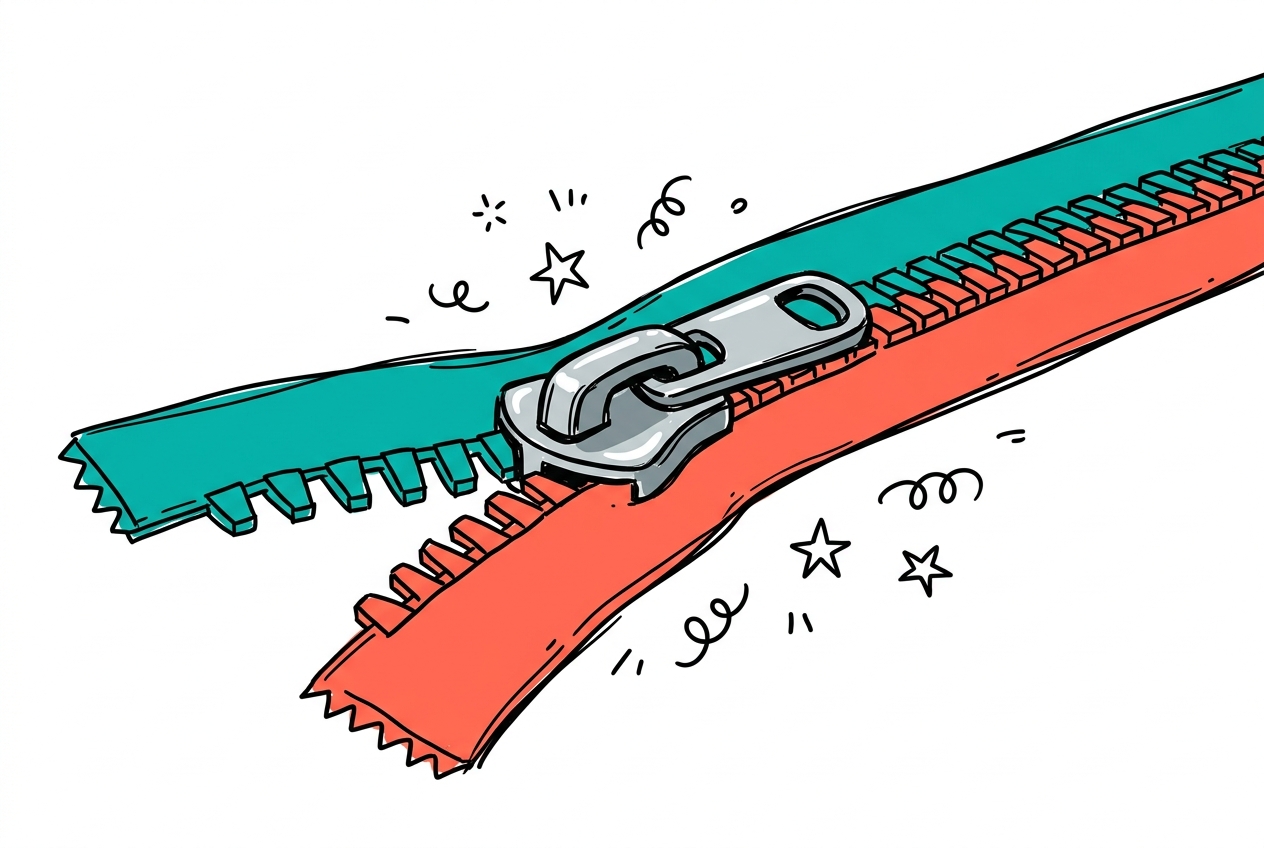
What Are Vowel Teams? (ai, ea, oa Explained for Parents)
Vowel teams are two vowel letters that together make one sound — like ai in 'rain' or ea in 'beach'. Here's which ones to teach first and how to practise them at home.
Aug 25, 2026 -
 Teach phonics at home
How to Build Reading Fluency at Home
Fluency is the bridge from decoding to understanding. What it is, how to spot a fluency gap, and three simple routines any parent can use at home in five minutes a day.
Aug 21, 2026 -
 The science of reading
Orthographic Mapping: Why Some Words Stick in Your Child's Memory
Orthographic mapping is the brain process that permanently stores words as instant sight words. What it is, why phonemic awareness powers it, and what parents can do at home.
Aug 18, 2026 -
 Reading readiness & milestones
Pre-Reading Skills: What Your Child Should Know Before Phonics Starts
Five skills predict phonics success: phonological awareness, print awareness, letter knowledge, oral vocabulary, and story understanding. With a quick home check for each.
Aug 14, 2026 -
 The science of reading
What Is Structured Literacy? The Method Behind the Science of Reading
Structured literacy is the evidence-based approach reading science points to: six interconnected components, taught in sequence. Here is what each one does for your child.
Aug 11, 2026 -
 Teach phonics at home
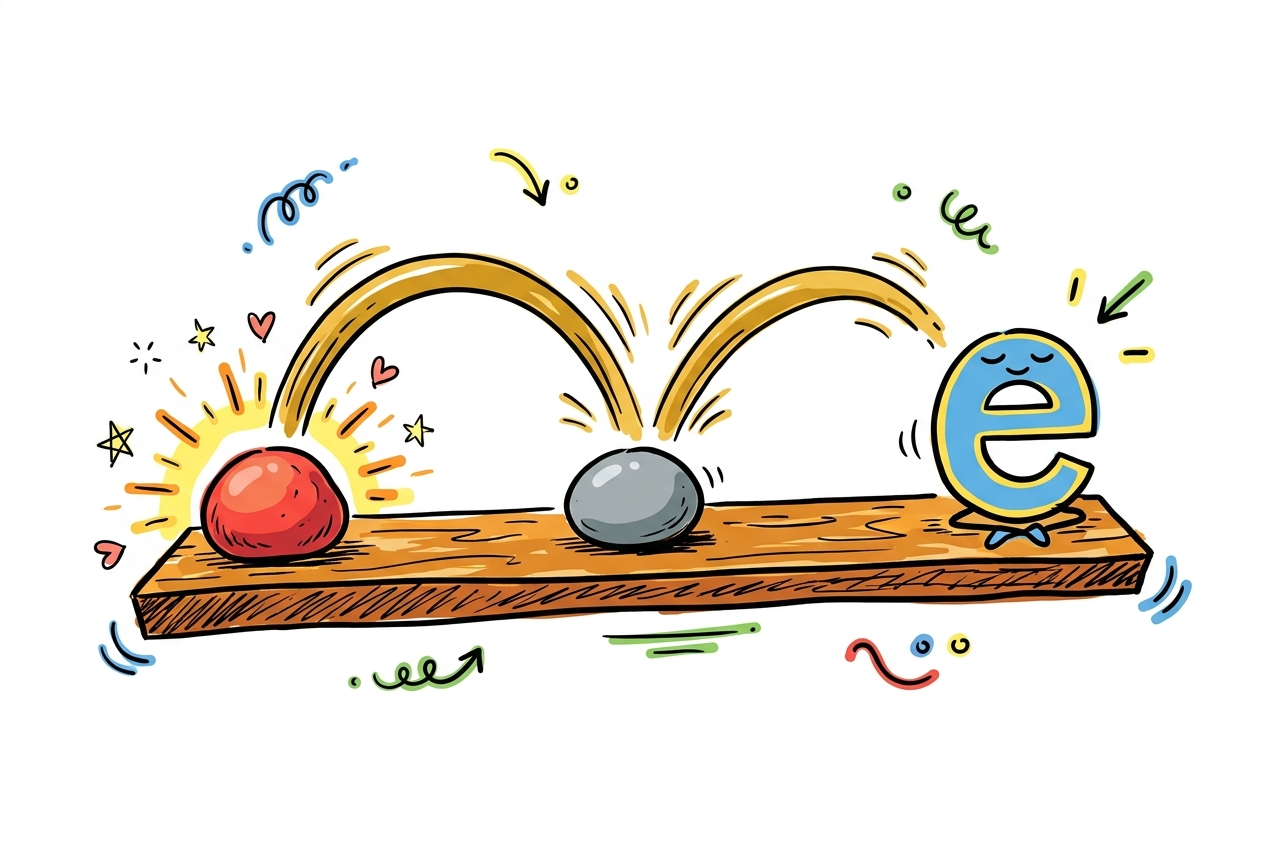
The Magic E Rule: How to Teach Long Vowels at Home
The magic e (VCe) rule turns short vowels into long ones, and it's not actually magic at all. Here's the pattern, why it works, and simple ways to practise it.
Aug 7, 2026 -
 Reading readiness & milestones
When Should You (Actually) Worry About Your Child's Reading?
A research-backed guide to the genuine amber flags in early reading development, and the many things that look worrying but are simply normal variation.
Aug 4, 2026 -
 Teach phonics at home
10 No-Prep Phonics Games for the Kitchen Table
Ten phonics games under five minutes each, zero printing, zero screens — organised by the skill each one builds so you can pick by what your child needs.
Jul 31, 2026 -
 Supporting struggling readers
Why Does My Child Guess Words From the Pictures?
Guessing words from pictures is a strategy children are sometimes taught. Here's why it happens, what reading research says, and how to redirect your child toward the letters.
Jul 28, 2026 -
 The science of reading
Reading Aloud Is Not Teaching Reading (Do Both — Here's How)
Reading aloud builds vocabulary — but not decoding. Discover how to add five minutes of sound-play to your nightly routine so your child gets both.
Jul 24, 2026 -
 Teach phonics at home
What Are CVC Words and Why Do Children Learn Them First?
CVC words like cat, sit, and pin are the first words children decode on their own. Find out why phonics starts here and how to help your child blend them at home.
Jul 21, 2026 -
 The science of reading
Sight Words: How Many Does Your Child Actually Need?
Most 'sight words' are decodable by phonics. Only a small set of irregular words needs drilling. How reading science reframes what your child really needs.
Jul 17, 2026 -
 The science of reading
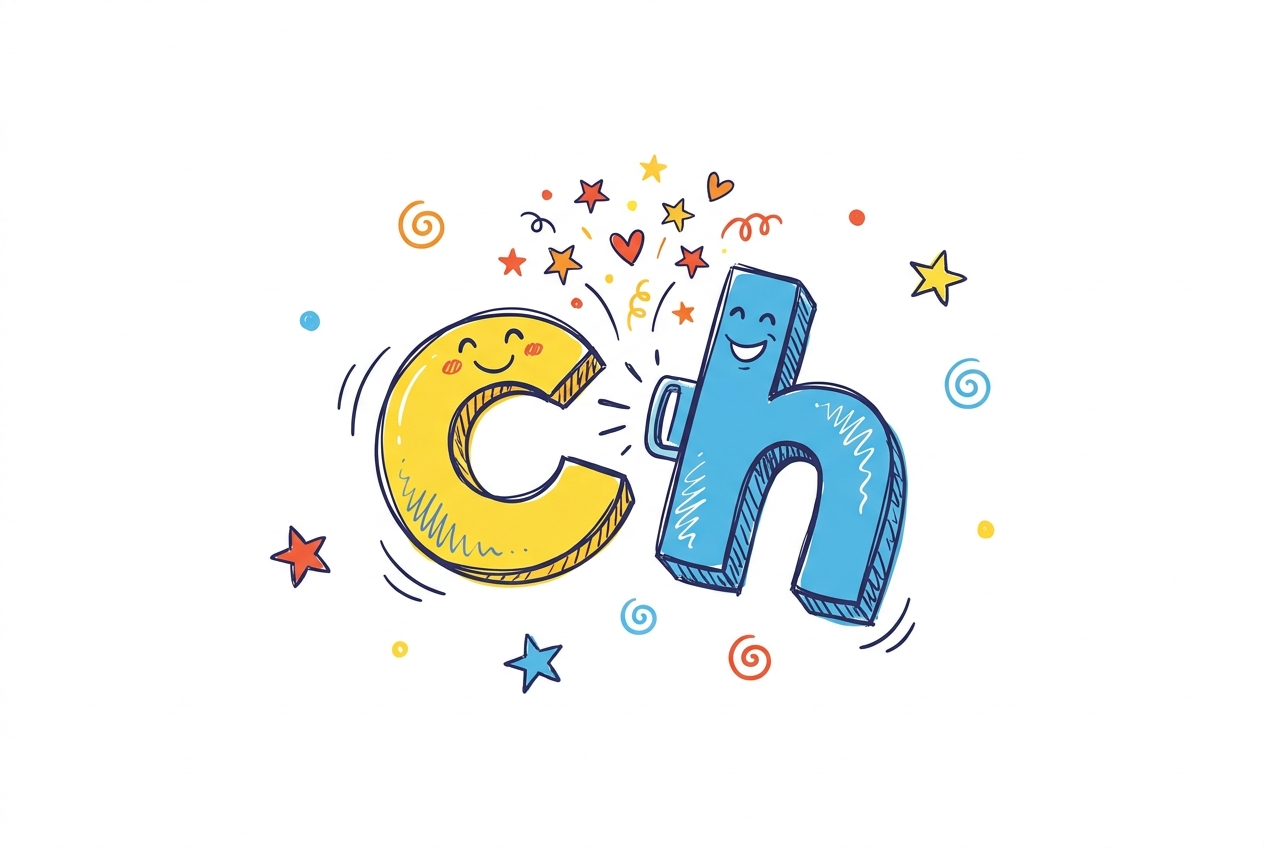
What Is a Digraph? (sh, ch, th Explained for Parents)
A digraph is two letters that make one sound, like sh in ship or ch in chin. Here is what that means for your child's reading, and the simple counting trick that makes it click.
Jul 14, 2026 -
 Teach phonics at home
Letter Names vs. Letter Sounds: Which Should You Teach First?
Find out why letter sounds matter more than letter names for early reading, and run a quick two-minute test to check which your child actually knows.
Jul 10, 2026 -
 Supporting struggling readers
How to Support a Child Who Finds Reading Hard
When reading feels difficult, targeted support at home makes a real difference. What the research says works best, and practical strategies to start this week.
Jul 7, 2026 -
 The science of reading
What Are Decodable Books? (And Why Early Readers Need Them)
Decodable books give early readers words they can actually decode. What they are, how they differ from levelled readers, and when your child needs them most.
Jul 3, 2026 -
 Teach phonics at home
How to Teach Your Child to Blend Sounds at Home
Blending is the skill that turns separate sounds into readable words. What it is, why children find it hard, and a simple step-by-step daily routine for home.
Jun 30, 2026 -
 Reading readiness & milestones
Reading Milestones by Age: What to Expect from 3 to 7
A research-backed guide to reading milestones from ages 3 to 7: the skills to look for at each stage, what natural variation looks like, and simple ways to support reading at home.
Jun 29, 2026 -
 Supporting struggling readers
Why Does My Child Swap b and d? (And What Helps)
Letter reversals like b and d are developmentally normal up to age 7–8. Here's why it happens, when it stops, and the simple bed trick that helps most.
Jun 29, 2026 -
 The science of reading
What Is Phonemic Awareness? (And Why It Comes Before Phonics)
Phonemic awareness is hearing the separate sounds in spoken words, and it's the foundation phonics is built on. What it is, why it comes first, and how to grow it at home.
Jun 28, 2026 -
 Teach phonics at home
How to Teach the /sh/ Sound at Home (Without the Stress)
A simple, science-of-reading way to teach your child the /sh/ sound at home — what it is, a 4-step routine, the mix-ups to expect, and how to tell when they've truly got it.
Jun 27, 2026